Chapter 1: A New Perspective
Maya Jenkins stared out of the classroom window, watching the leaves swirl in a playful dance with the wind. Autumn was settling in, painting the town of Maplewood in hues of gold and crimson. It was a time of change, and for Maya, it was the beginning of a new perspective.
Maya was a curious twelve-year-old with a heart as big as her imagination. She lived in a small, cozy house with her mother and her younger brother, Sam. Her father worked in another town and visited them every few weeks. Maya loved school, especially her history class, where Mrs. Thompson, her teacher, filled the room with stories of the past, making them feel alive and relevant.
One crisp Tuesday morning, Mrs. Thompson announced a new project: "Class, we are going to embark on something special. It's called 'The Change Makers Project.' You will each choose a topic that you feel passionate about, research it, and create a project that aims to make a positive impact in our community."
Maya's mind immediately buzzed with ideas, but one thought lingered. She had recently noticed a group of people living in tents near the old railway station. They were people without homes, and Maya had been curious about their lives. She had seen them wrapped in blankets, sipping warm drinks to fend off the chill, and she wondered what stories they carried with them.
That night, as she sat in her room with her sketchbook, Maya thought about how she could help. She didn't have much herself, but she knew she had creativity and determination. Her eyes landed on a poster of her favorite inventor, Thomas Edison, and it sparked an idea. Maya decided she would focus her project on poverty, aiming to understand it better and find a way, even a small one, to help those affected.
Chapter 2: Understanding the Unseen
The next day, Maya approached Mrs. Thompson after class. "Mrs. Thompson, I want to do my project on poverty," she said, her voice tinged with excitement and a bit of nervousness.
Mrs. Thompson smiled warmly. "That's a wonderful choice, Maya. It's an important issue, and I'm glad you're interested in it. Remember, understanding is the first step toward making a difference."
Maya spent the following weeks reading everything she could about poverty. She learned about its causes—lack of jobs, education, and affordable housing. She discovered how it affected not just adults but children too, who often went to bed hungry or without a warm place to sleep.
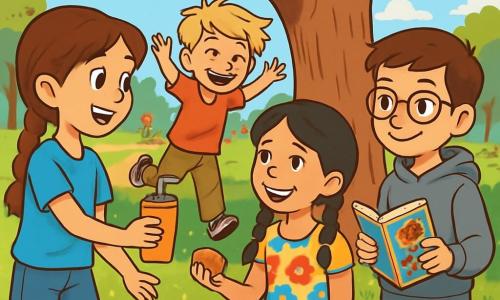
One Saturday, Maya decided to visit the old railway station. She brought along a notebook and some sandwiches she had made with her mom's help. Her heart pounded with a mix of excitement and anxiety as she approached the small group of tents.
"Hello," she called out softly, holding up the sandwiches. "I brought some food."
A man with kind eyes and a bushy beard stepped forward. "Thank you, young lady," he said, accepting the offering. "I'm Joe."
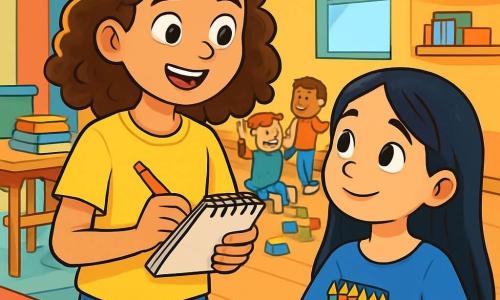
"I'm Maya," she replied, smiling shyly. "I'm doing a project for school, and I was hoping to learn more about your experiences."
Joe nodded, gesturing for her to sit. As they talked, Maya learned about Joe's life; he had lost his job when the factory closed and had been unable to find work since. He spoke of the challenges he faced, but also of the kindness he had encountered from strangers.
Maya listened intently, her heart swelling with empathy. She realized how easy it was to overlook the struggles of others and how important it was to share their stories.
Chapter 3: The Spark of an Idea
Back at school, Maya shared her findings with her classmates. Her presentation was filled with passion and sincerity, and her peers listened intently, some even wiping away tears as she recounted Joe's story.
"Maya, what can we do to help?" asked Ethan, a boy from her class, his brow furrowed with concern.
"Well," Maya replied thoughtfully, "I've been thinking about starting a community garden. We could grow vegetables and fruits and share them with those in need."
The idea caught on like wildfire. Soon, Maya's classmates were buzzing with suggestions on how to make the garden a reality. They talked about asking for help from local businesses, gathering supplies, and organizing a weekend to start planting.
Mrs. Thompson was thrilled with the enthusiasm. "I'm proud of you all," she said. "This is how change begins—with an idea and the willingness to see it through."
Maya felt a sense of purpose and excitement she had never experienced before. She knew it wouldn't be easy, but with her friends by her side, she was determined to make the garden a success.
Chapter 4: Seeds of Change
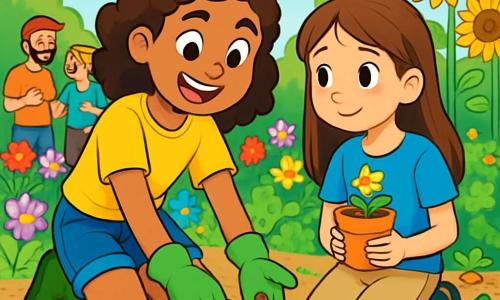
The first Saturday of spring dawned bright and clear. Maya, her classmates, and even some of their parents gathered in the community park, armed with shovels, seeds, and saplings. The air was filled with laughter and chatter as they divided into groups, each taking on different tasks.
Maya worked alongside Joe, who had volunteered to help. Together, they dug up patches of earth, preparing the soil for planting. Joe shared his knowledge of gardening, teaching Maya about the best conditions for tomatoes and cucumbers.
As the sun climbed higher in the sky, the garden began to take shape. Rows of seedlings lined the plots, and a sense of accomplishment filled the air. Maya looked around at her friends, their faces smeared with dirt and shining with pride, and felt a deep sense of community.
By the end of the day, they had planted an array of vegetables and herbs. Maya stood back, admiring their work. It was a small garden, but it was a start. More importantly, it was a symbol of what they could achieve when they worked together.
Chapter 5: Growing Together
As the weeks passed, the garden flourished. Maya and her friends took turns tending to the plants after school, watering them and ensuring they were healthy. The project had not only brought them closer but had also sparked interest in the community.
People began to stop by, curious about the bustling activity in the park. Some offered support in the form of tools or seeds, while others simply came to lend a hand. The garden became a place where stories were shared, friendships were forged, and hope was nurtured.
One afternoon, as Maya was watering the lettuce, she noticed a small group of children from the local shelter watching. She invited them over, showing them how to care for the plants. Their eyes widened with wonder as they learned about the different vegetables.
Maya realized that the garden had become more than just a source of food; it was a place of learning and connection. It was a testament to the power of community and the impact of small actions.
Chapter 6: A New Kind of Harvest
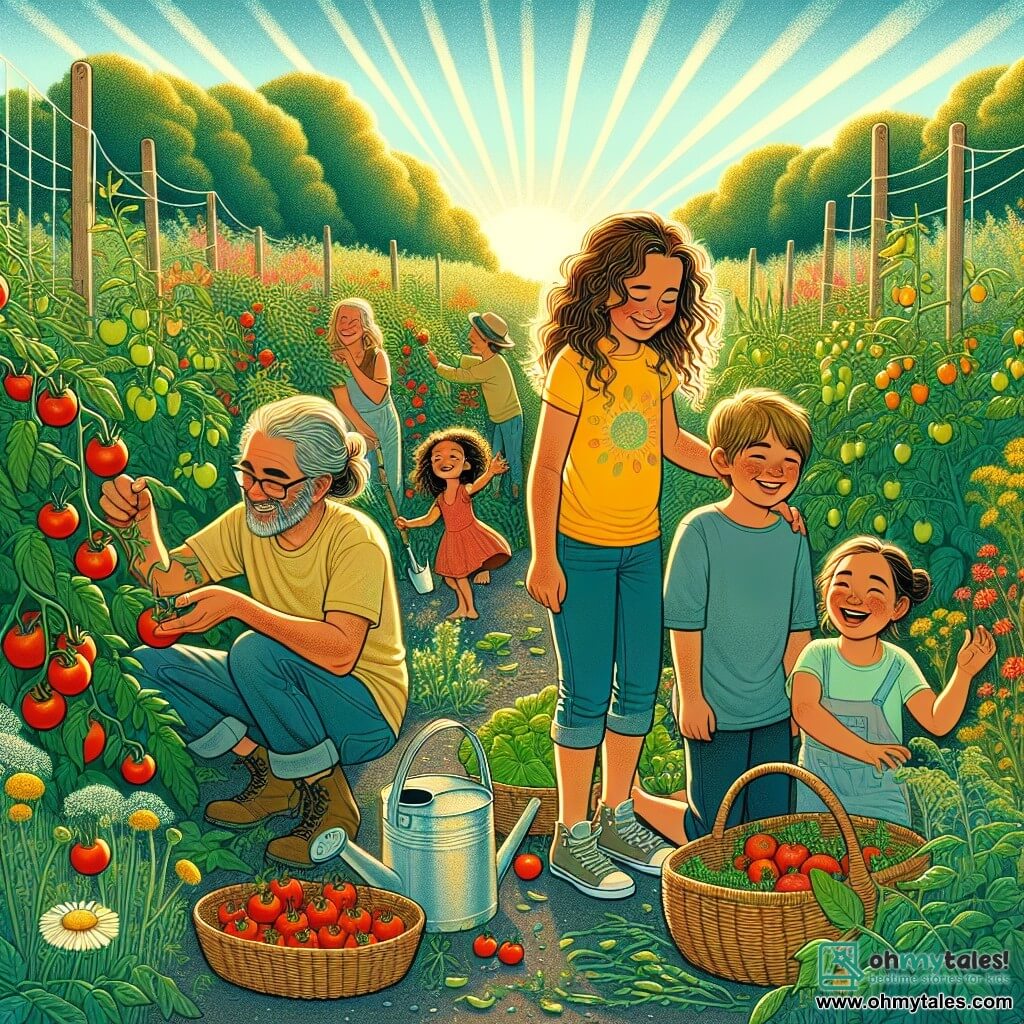
When summer arrived, the garden was bursting with produce. Tomatoes, cucumbers, carrots, and herbs thrived under the warm sun, ready to be harvested. Maya and her friends organized a community day, inviting everyone to come and share in the bounty.
People of all ages gathered in the park, baskets in hand, to pick fresh vegetables. Laughter and chatter filled the air as they worked side by side, exchanging recipes and stories. Joe stood with Maya, a smile on his face as he watched the community come together.
"Thank you, Maya," he said, his voice filled with gratitude. "You've brought something special to us all."
Maya beamed, her heart full of joy. It hadn't been an easy journey, but seeing the happiness and unity the garden had created was worth every effort.
The project had taught her valuable lessons about empathy, resilience, and the power of community. Most importantly, it had shown her that even small actions could lead to meaningful change.
Chapter 7: Seeds of the Future
As summer turned to autumn, the garden continued to thrive. Maya's project had not only provided food for those in need but had also inspired others to take action. New projects began to sprout around Maplewood, each aiming to make a difference in their own way.
Maya stood in the garden one afternoon, reflecting on the journey she had embarked upon. She realized that the true harvest was not just the fruits and vegetables but the connections and understanding they had cultivated.
She knew there was still much work to be done, but she felt hopeful for the future. With her friends and community by her side, she was ready to continue planting seeds of change, one step at a time.
Maya's story spread throughout the town, inspiring others to dream big and act with compassion. She had shown that anyone, regardless of their age, could make a difference in the world. With empathy and determination, they could help create a brighter future for everyone.
And so, the garden became a lasting legacy, a reminder that in the face of adversity, unity and kindness could flourish, transforming lives and building a stronger, more caring community.