Morning Rounds
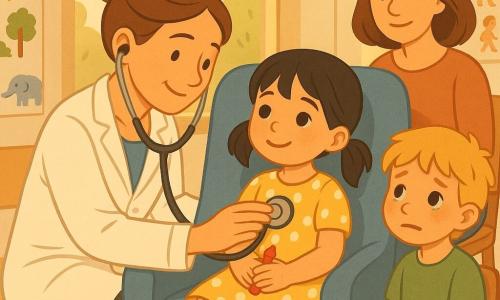
Dr. Mira opened the clinic door like a friend entering a warm kitchen. Light spilled across the floor, and the smell of clean sheets and lemon soap made the room feel safe. She was a specialist in things that worried people's bodies — tiny puzzles to solve with big care. Today she wore a soft blue coat and a badge with a small paper star, a gift from a child she had helped last week.
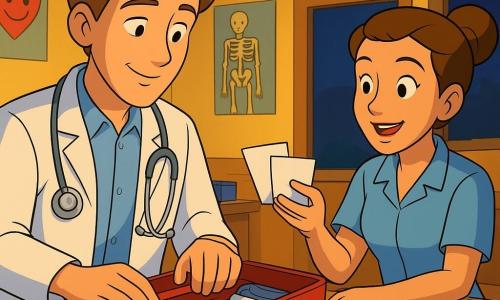
“Good morning!” she said to the nurse at the desk. Her voice was like a gentle bell. The nurse smiled and handed her a clipboard. Dr. Mira checked the list: appointments, a few follow-ups, and one child who was nervous about a shot. She smoothed the edge of the clipboard, breathing in patience like a secret strength.
Before the first patient arrived, Dr. Mira went through her habit of checks. She walked the room slowly, looking at the toys on the shelf, the thermometer drawer, the clean bandages in a little box. She made sure the scales were set to zero and the lights were bright but not too harsh. Everything had a place. Everything had a reason. A tidy room helps people feel calmer.
The Little Gardener
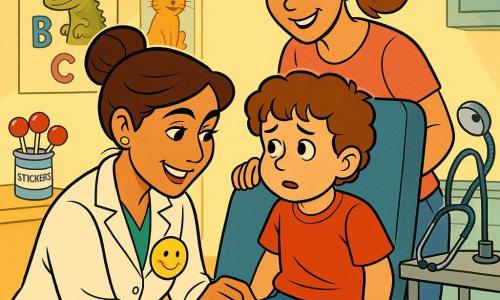
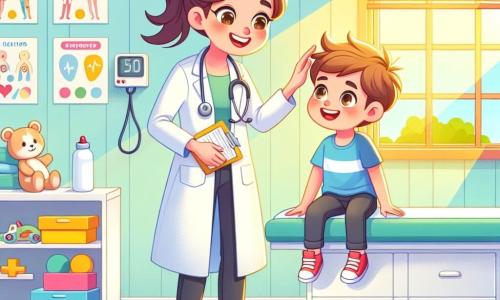
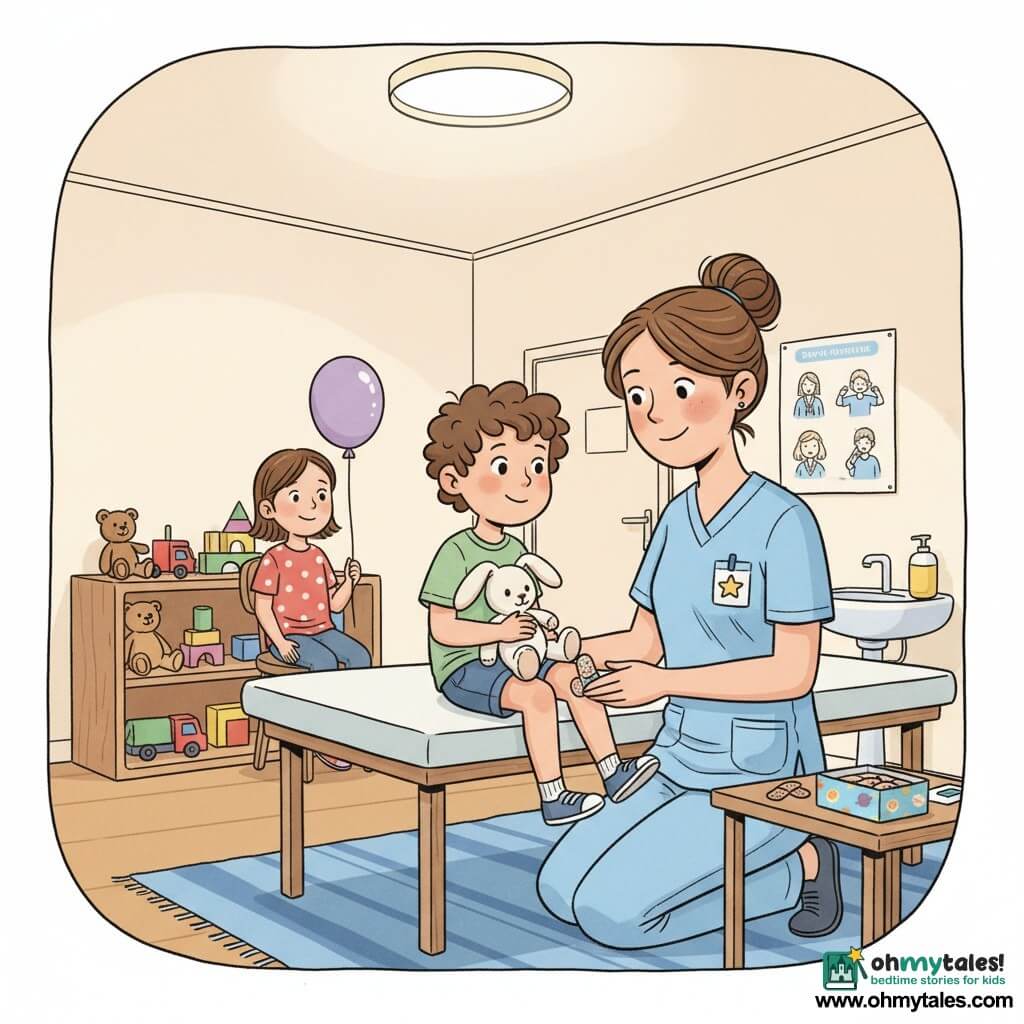
Sami arrived holding his stuffed rabbit. He loved digging in the garden but had fallen and scraped his knee. He sat on the examination table, legs swinging, eyes wide.
“You're a brave gardener,” Dr. Mira said, kneeling to Sami's level. “Show me your knee.”
Sami lifted his leg like a flag. The scrape was red but not deep. Dr. Mira washed it with warm water and gentle soap, humming a short song to make him blink less. “Scrapes are like garden soil,” she explained. “We clean them to keep seeds from growing where we don't want them.” Sami giggled.
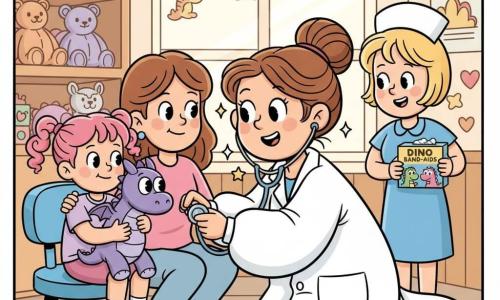
She put a colorful bandage with tiny planets on his knee. “This bandage helps keep your knee happy while it heals,” she told him. “And if you wear it when you play, you'll protect it from new scrapes.”
Sami nodded solemnly, then hopped off and hugged his rabbit. “Thank you, Dr. Mira,” he said. “Can I have a sticker?”
“Of course,” she replied, handing him a star sticker like the one on her badge. It was a small act, but Sami left the room feeling brave and cared for.
The Nervous Wait
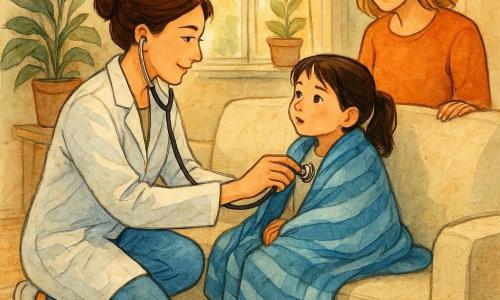
Later a girl named Lila arrived for a vaccine. Her hands were icy, and her smile was thin. Dr. Mira sat beside her and talked about deep breaths as if they were tiny boats floating on a calm sea.
“Why do I need this?” Lila whispered.
Dr. Mira drew a soft picture in the air with her finger. “Vaccines teach your body to remember germs so they don't make you sick later,” she said simply. “It's like learning to look both ways before crossing the street. It keeps you safe.”
They counted breaths together: in, hold, out. A nurse taped a little cold pad to Lila's arm like a magic helper. Dr. Mira used a small, fast needle and then a big smile. Lila blinked and the moment was over. “That was quick,” she said, surprised.
“You did it teamwork style,” Dr. Mira said. “You breathed, you trusted, and the nurse helped. That's the kind of cooperation that keeps people well.” Lila left with a bandage and a purple balloon, feeling proud.
Night Visit
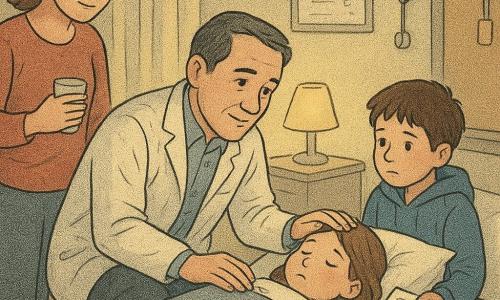
A man came in late with his elderly neighbor, who had wobbly steps. The neighbor muttered about forgotten pills and a door that stuck at night. Dr. Mira listened with both ears and with her hands, feeling for the worry under the words.
She checked the neighbor carefully, asked about medicines, and wrote clear notes. Then she walked the two of them over to the clinic's small demonstration area. Using a model of a home, she showed how to place a light near the bed and label pill boxes by day and night. “Prevention is quiet work,” she said. “It means thinking ahead so accidents don't have a chance.”
The man promised to help every evening. The neighbor smiled, relieved, because she did not have to figure everything out alone. Dr. Mira arranged a follow-up call to make sure the lights and pill boxes were working. Altruism looked like sharing time, ideas, and small tools that made life safer.
Final Check and a Nightlight Corridor
After the last patient left, Dr. Mira walked the clinic one more time. She checked each room: toys returned to their baskets, wipes stocked, the thermometer back in its drawer. She tapped the shelves softly, like saying good night to each item.
In the hallway, she noticed a small motion sensor nightlight flicker on. Its glow was soft, like a sleepy moon. Dr. Mira switched off the brighter overhead lights and left the nightlight to guide footsteps. It cast a gentle path down the corridor, warm and steady.
She paused and breathed, thinking of the day's small victories: a child's brave sticker, a girl who learned deep breaths, a neighbor whose door would not stay stuck, and a man who promised to help. These were the parts of her job that were quieter than applause but just as important.
Dr. Mira turned the sign on the door to closed and walked toward the nightlight, its glow reflecting on the floor like a promise. “Sleep well,” she whispered to the clinic, to the people she had helped, and to the town outside. The nightlight hummed softly, keeping watch, while the world tucked itself in.